
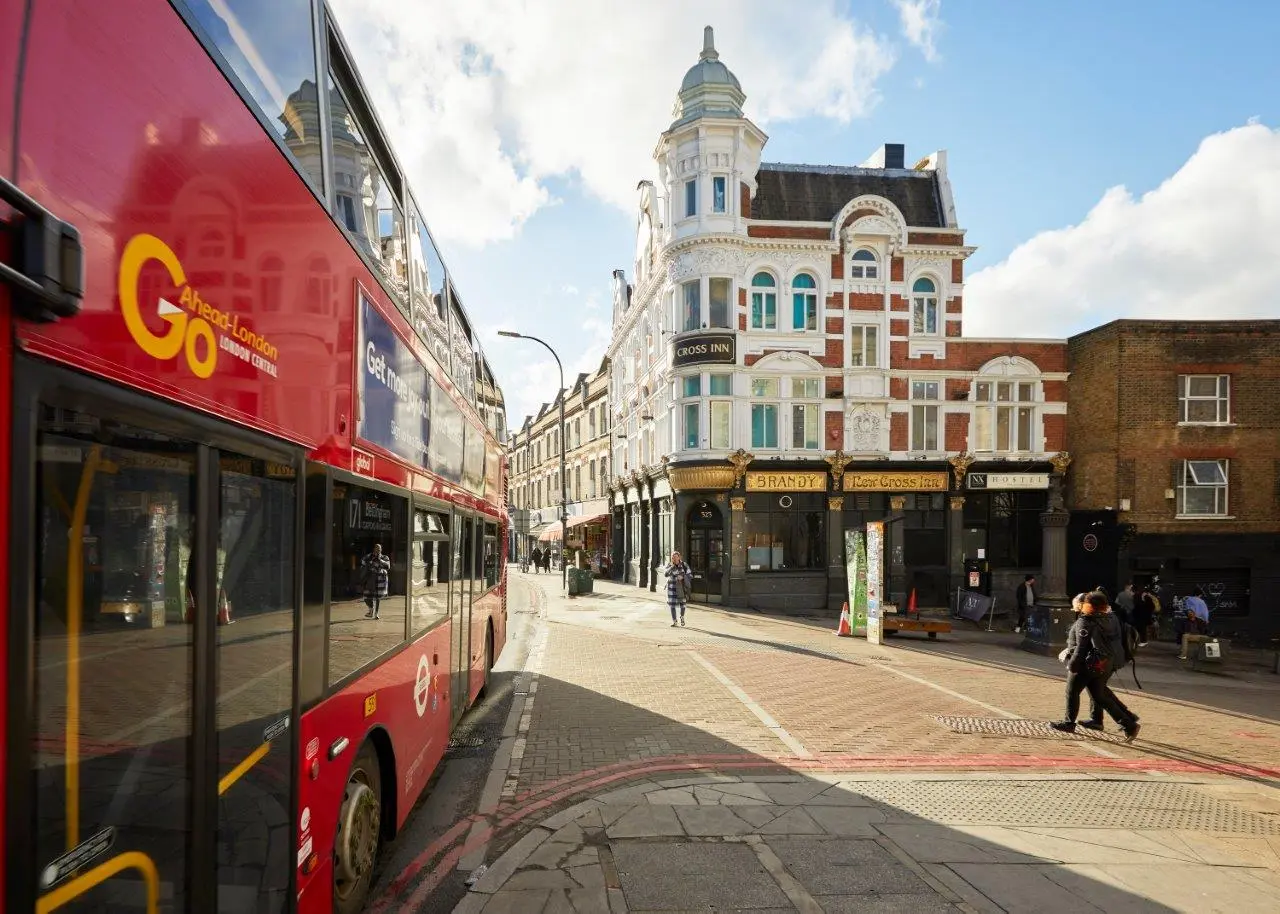
Transportation in London Explained: How to Get Around the City with Confidence
London doesn’t just move—it flows. Beneath the streets, above ground, across rivers, and through the night, the city runs on one of the most layered transport networks in the world.
For first-time visitors, that can feel intimidating. Tube maps look like abstract art. Train stations double as neighborhoods. And everyone seems to tap in and out without thinking twice.
This London Transportation Guide breaks it all down—clearly and calmly. You’ll learn how each system works, when to use what, how to pay, and how to move efficiently without overspending or getting lost. Consider this your foundation before diving into the detailed guides below.
How to Use This London Transportation Guide
Use this page to:
- Understand how London’s transport systems fit together
- Decide which option makes the most sense for your trip
- Click through to focused cluster guides for step‑by‑step instructions
- Travel confidently like someone who knows what they’re doing
London rewards travelers who move smart—not necessarily fast.
The London Underground (The Tube): The City’s Backbone
The Tube is the fastest way to cross London and the system most visitors rely on. With 11 color‑coded lines reaching nearly every major attraction, it’s efficient, frequent, and surprisingly logical once you understand it.
Best for:
- First-time visitors
- Long distances
- Sightseeing days with tight schedules
You’ll use the Tube to hop between neighborhoods like Soho, Camden, Westminster, and South Kensington.
Learn the basics, etiquette, and money-saving tips in How to Use the London Underground
Oyster Card vs Contactless: What’s Best for Visitors?
London quietly eliminated ticket confusion years ago. Paper tickets are relics—almost everyone pays by tapping in and out.
Your two main options:
- Contactless debit/credit card or mobile wallet
- Oyster Card (still useful in specific situations)
Both use daily fare caps, meaning you’ll never overpay if you travel a lot in one day.
Best for:
- Short trips → Contactless
- Longer stays, student discounts, or railcards → Oyster
Compare pros, cons, and edge cases in Oyster Card vs Contactless: What’s Best?
Getting from London Airports to Central London
London’s airports aren’t “near” London—but they are well connected. Choosing the right transfer can save time, money, or stress, depending on your priority.
Heathrow to Central London
Your smoothest arrival. Options range from express trains to budget-friendly Tube routes.
Heathrow to Central London: Best Routes Explained
Gatwick to Central London
Fast trains, easy connections, and good value if you plan ahead.
Gatwick to Central London Transportation Guide
Stansted to Central London
Mostly train-based, reliable, but best booked with awareness of final destinations.
Stansted to Central London: What You Need to Know
Luton to Central London
A two-step journey (bus + train), but manageable with planning.
Luton to Central London: Step-by-Step Guide
London Buses: The City at Street Level
If the Tube shows you efficiency, buses show you London. Slower, yes—but cheaper, scenic, and often simpler for short hops.
Why buses are underrated:
- Flat fare no matter the distance
- 24‑hour routes including night buses
- Views you’ll miss underground
They’re perfect for short trips, late nights, or when your feet are done.
Decode routes, fares, and night service in London Bus System Explained
DLR: Driverless Trains with Big Payoffs
The Docklands Light Railway serves East London and Canary Wharf. It’s clean, quiet, and surprisingly scenic—especially from the front seats.
Best for:
- Greenwich
- Canary Wharf
- City Airport access
Learn when and why to use it in DLR Explained
London Overground: The Secret Tube Line
The Overground acts like a circle of connections between outer neighborhoods—often overlooked, often incredibly useful.
Best for:
- Camden to East London
- South London connections
- Avoiding central congestion
See how it fits into your trip in Overground Explained
Night Tube & Safety: Getting Around After Dark
London doesn’t shut down when the sun sets. On weekends, major Tube lines run all night—and when trains stop, buses don’t.
Key safety takeaways:
- Transport is well-lit and monitored
- Night buses are reliable
- Contactless works 24/7
- Awareness matters more than fear
Travel confidently after dark with the Night Tube & Safety Guide
Where NX London Hostel Fits In
No matter how you travel around London, NX London Hostel is positioned to make it easier—not harder.
Staying here means:
- Effortless connections via Overground and buses
- Faster access to East, South, and Central London
- Avoiding the premium prices of Zone 1 stays
- A social base to reset between adventures
With smart routing, you can cross the city efficiently—and still come home to a relaxed, affordable stay.
Getting Around London Made Simple
You don’t need to master everything. You just need:
- One payment method
- One navigation app (Citymapper or Google Maps)
- And a general sense of which system fits the moment
Tube for speed.
Bus for views.
Overground for connections.
Walk whenever possible.
London meets you halfway.
Key Takeaways
- London’s transport is layered but logical
- Contactless and Oyster make payment effortless
- Airports are far—but well connected
- Each system shines in different situations
- A well-located base makes everything easier
Final Thought
London isn’t difficult to get around—it’s just deeply capable. Once you stop fighting the system and start flowing with it, the city opens up. And before long, you’ll catch yourself tapping in, hopping trains, and navigating like a local… wondering why you were ever worried in the first place.
