How to Use the London Underground: A First‑Time Visitor’s Guide
The London Underground—better known as the Tube—is the fastest, most efficient way to move around the city. It connects neighborhoods, landmarks, airports, and nightlife with a system that looks complex but works remarkably well once you understand the basics.
If you’re visiting London for the first time, learning how to use the Tube will save you time, money, and unnecessary stress.
London Underground at a Glance
The London Underground is a rapid transit system with 11 color‑coded lines, over 270 stations, and trains running from early morning until late at night (with Night Tube services on select lines).
It serves Central London and stretches into Greater London, making it ideal for sightseeing, commuting, and neighborhood‑hopping.
Is the London Underground Easy to Use?
Yes—the London Underground is very easy to use, even for first‑time visitors. Stations are well‑signed, maps are clear, and payment is simple with contactless cards or Oyster.
Once you understand:
- How to read the map
- How zones work
- How to tap in and out
You’ll move around London confidently within a day or two.
A Brief History of the London Underground
The London Underground is the oldest metro system in the world, opening in 1863. Originally steam‑powered, it revolutionized urban transport and inspired metro systems globally.
Over time, the Tube expanded outward, adopted electric trains, and became a defining feature of London life—equal parts utility, history, and cultural icon.

What Is the London Underground Known For?
The London Underground is famous for:
- The iconic Tube map designed by Harry Beck
- “Mind the Gap” announcements
- Fast connections between major attractions
- Being deeply woven into everyday London life
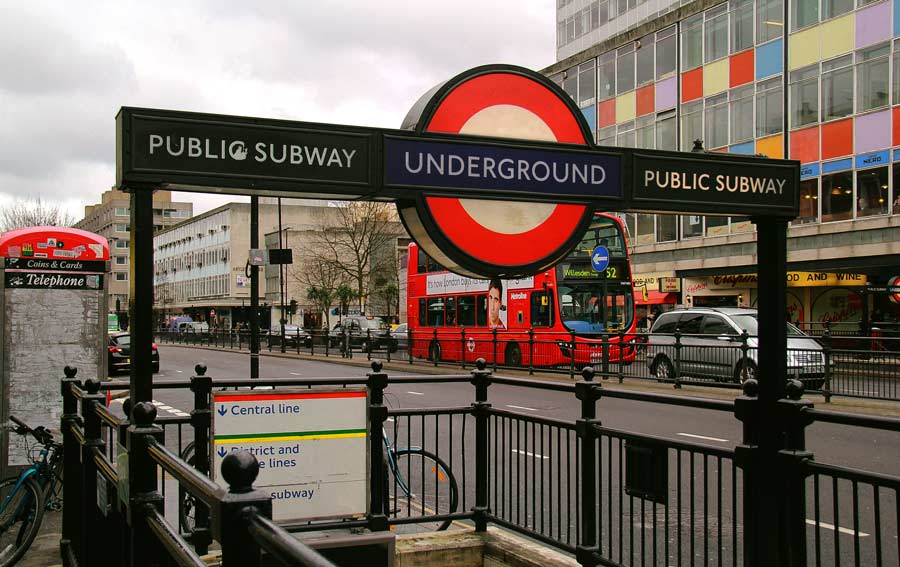
- Its roundel logo and tiled station designs
It’s more than transport—it’s part of the city’s identity.
Understanding the Tube Map
The Tube map is diagrammatic, not geographic. This means:
- Distances are not to scale
- Lines are straightened for clarity
- Interchange stations are emphasized
Focus on:
- Line colors
- End‑of‑line station names (direction of travel)
- Interchange points
You don’t need to understand the entire map—just your route.
How to Pay for the London Underground
You do not need paper tickets.
Payment Options
- Contactless debit or credit card
- Mobile payment (Apple Pay / Google Pay)
- Oyster Card
Tap in at the start of your journey and tap out at the end. Fares are automatically calculated, and daily caps prevent overspending.
For most visitors, contactless is the easiest option.
Zones Explained (Without the Confusion)
London is divided into fare zones:
- Zone 1: Central London (most attractions)
- Zones 2–6: Outer London
Most sightseeing stays within Zones 1–2. You don’t need to memorize zones—just know that traveling farther costs slightly more, but daily caps protect you.
Peak vs Off‑Peak Travel
- Peak hours: Monday–Friday, roughly 6:30–9:30am and 4–7pm
- Off‑peak: All other times
Off‑peak travel is cheaper and less crowded. Visitors should aim to travel outside peak hours when possible.
Tube Etiquette Every Visitor Should Know
Londoners take Tube etiquette seriously.
- Stand on the right side of escalators
- Let passengers exit before boarding
- Keep backpacks off your back in busy trains
- Move down inside carriages
- Keep conversations and music low
Follow these, and you’ll blend in instantly.
When the Tube Is the Best Option
Use the Underground when:
- You’re traveling long distances
- You’re crossing the city quickly
- Weather isn’t ideal
- You’re short on time
For short distances or sightseeing routes, buses or walking can be better.
Common Mistakes First‑Time Visitors Make
- Studying the map too literally
- Forgetting to tap out
- Traveling at peak hours unnecessarily
- Standing on the left on escalators
- Overthinking zones and fares
The system is forgiving—don’t stress.
How to Use the London Underground at Night
Many Tube lines run until around midnight. On weekends, select lines run all night as part of the Night Tube service.
If trains stop:
- Night buses run extensively
- Contactless payment still works
- Stations and buses are well‑lit
London’s transport is one of the safest ways to get around after dark.
NX London Hostel Highlight
Staying at NX London Hostel makes Tube travel straightforward.
- Easy links to Underground lines via nearby stations
- Good late‑night connections after sightseeing or nightlife
- Cheaper accommodation without sacrificing access
- Ideal for travelers learning London transport for the first time
It’s a smart base for exploring the city efficiently.
How to Reach Central London Using the Tube from NX London Hostel
Most routes involve a short train or bus connection followed by the Underground.
Typical approach:
- Take a local train or bus to a major interchange
- Transfer to the Underground
- Travel directly to your destination
Contactless and Oyster cards work for the entire journey.
Approximate travel time to Central London: 30–45 minutes, depending on destination.
Frequently Asked Questions About the London Underground
Is the London Underground safe?
Yes. The Tube is generally very safe, with CCTV, staff presence, and high passenger volume.
Do I need an Oyster Card as a tourist?
Not usually. Contactless payment works for most visitors and offers the same fare caps.
Is the Tube accessible?
Some stations offer step‑free access, but not all. Check routes in advance if mobility is a concern.
Can I use the Tube with luggage?
Yes, but avoid peak hours and be mindful of space.
Is the Tube faster than buses?
For longer distances, yes. For short trips, buses or walking may be better.
Key Takeaways
- The Tube is London’s fastest way to get around
- Payment is simple with contactless or Oyster
- You don’t need to memorize the system
- Good etiquette goes a long way
- NX London Hostel offers easy access without central prices
Final Thought
The London Underground looks complicated until the moment it clicks—and then it feels effortless. Once you trust the map, tap in with confidence, and stop overthinking, London suddenly feels smaller, closer, and easier to explore. Master the Tube, and the city is yours.