DLR Explained: How London’s Docklands Light Railway Works
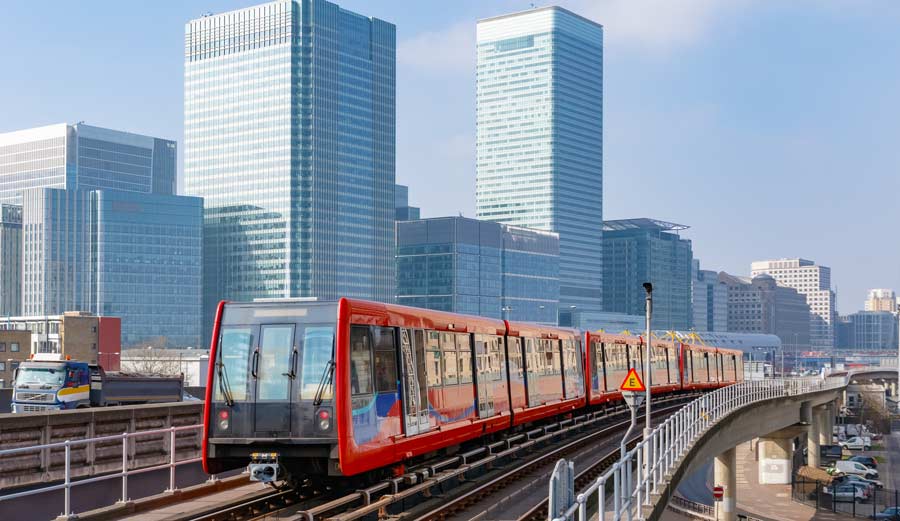
London’s Docklands Light Railway—better known as the DLR—is one of the city’s most distinctive transport systems. Fully automated, mostly above ground, and designed to serve East London, the DLR offers fast, reliable connections to areas the Underground doesn’t reach as easily.
For travelers new to London, the DLR often looks unfamiliar. In practice, it’s one of the easiest rail systems to use, especially once you understand where it runs and what makes it different.
DLR at a Glance
The DLR is part of Transport for London (TfL) and serves:
- East and Southeast London
- Canary Wharf and the Docklands
- London City Airport
- Key interchange stations like Bank and Stratford
It operates with:
- Automatic, driverless trains
- Frequent service (every 2–6 minutes at peak times)
- Integration with Oyster and contactless payment
Travel times are short, and navigation is simple once you’re on the platform.
Is the DLR Easy to Use?
Yes—arguably one of London’s simplest rail networks.
DLR trains:
- Run frequently
- Have clear destination signs
- Use the same fare system as the Tube
- Require tap‑in and tap‑out, just like the Underground
Because trains are automated, the system feels modern and predictable—ideal for visitors heading east of Central London.
A Brief Overview of the DLR
The DLR opened in the late 1980s to support regeneration of London’s docklands after shipping activity declined. Rather than extending traditional Underground lines, London introduced a lighter, automated railway that could be built quickly and flexibly.
Today, the DLR is essential infrastructure for:
- Daily commuters
- Business districts like Canary Wharf
- Travelers arriving at London City Airport
- Visitors exploring East London neighborhoods
What Is the DLR Best Known For?
The DLR is best known for:
- Driverless trains with front‑seat views
- Scenic routes through Docklands
- Direct access to London City Airport
- Seamless transfers with the Tube and Overground
- Reliable service even during peak hours
It’s functional—but also quietly one of London’s most enjoyable rail rides.
Option 1: Core DLR Routes (Most Popular Option)
This is how most travelers encounter the DLR.
Main Lines Serve:
- Bank ↔ Canary Wharf
- Stratford ↔ Canary Wharf
- Tower Gateway ↔ Docklands
- Canary Wharf ↔ London City Airport
Why Choose This Option
- Fast access to East London
- Direct links to financial and airport districts
- Good interchange with Tube lines
Typical Travel Time
- Bank to Canary Wharf: ~15 minutes
- Canary Wharf to City Airport: ~10 minutes
Option 2: DLR to London City Airport
This is one of the DLR’s standout uses.
Why Choose This Option
- Direct airport access
- No traffic delays
- Step‑free stations ideal for luggage
Most travelers find the DLR the simplest way to reach London City Airport, especially from Central or East London.
Option 3: DLR vs the Underground
Choose the DLR If You Want:
- Easier access in East London
- Airport connections without crowds
- Above‑ground views
- Faster transfers around Docklands
Choose the Tube If You Want:
- Wider city coverage
- Faster cross‑city travel
- More routes in West and North London
The DLR complements the Tube—it doesn’t replace it.
Paying for the DLR
DLR fares are identical to Underground fares.
Accepted Payments
- Oyster cards
- Contactless debit or credit cards
- Mobile payment (Apple Pay / Google Pay)
Important Notes
- You must tap in and tap out
- Fares are zone‑based
- Daily and weekly caps apply automatically
Using the same card or device ensures you benefit from fare caps.
Common Mistakes to Avoid
- Forgetting to tap out
- Standing in the doorway (space is limited)
- Assuming every train goes to the same destination
- Expecting a driver for assistance
- Missing scenic front seats when the train is uncrowded
The DLR is simple—but paying attention makes it smoother.
NX London Hostel Highlight
The DLR integrates well with stays at NX London Hostel, especially for travelers using East and Southeast London routes.
- Easy transfers at central hubs like Bank and Canary Wharf
- Simple connection to Overground and buses near New Cross
- Fast routes toward City Airport and Docklands
- Contactless payment all the way
- Ideal for budget travelers exploring beyond tourist cores
The DLR quietly expands what feels “close” to your hostel.
How to Get from the DLR to NX London Hostel
Typical approach:
- Take the DLR to a central interchange station
- Transfer to the Underground or Overground
- Complete the journey by local train or bus
- Pay using contactless throughout
Approximate Total Travel Time
- 30–50 minutes from most DLR stations
- Depends on transfer timing and time of day
Frequently Asked Questions About the DLR
Is the DLR safe?
Yes. Stations are monitored, trains are well‑lit, and service is frequent.
Do DLR trains run at night?
Limited late‑night service operates. Frequency decreases after midnight.
Is the DLR faster than the Tube?
In Docklands and for City Airport journeys, often yes.
Can I bring luggage?
Yes—space is generally better than on many Tube lines.
Key Takeaways
- The DLR is automated and easy to use
- Best for East London and Docklands
- Ideal for London City Airport access
- Uses the same fares as the Tube
- Connects smoothly with routes near NX London Hostel
Final Thought
The DLR may not have the fame of the Underground, but it’s one of London’s smartest transport solutions. Once you treat it not as an odd add‑on but as a quiet shortcut through the east of the city, it becomes a valuable part of navigating London with confidence. Sometimes, the most modern rides offer the smoothest journeys.