South Bank Guide: Iconic Views, Cultural Power, and the River at Its Best
The South Bank is London at its most cinematic. Stretching along the Thames opposite Westminster and the City, it brings together some of the capital’s biggest landmarks, cultural institutions, and riverfront walks—all in one continuous, walkable strip.
If you want London’s greatest hits with a skyline to match, the South Bank is where it all comes together.
South Bank at a Glance
The South Bank is a central riverside area known for iconic landmarks, major museums and theatres, street performers, and uninterrupted Thames views. It’s energetic, scenic, and packed with cultural attractions.
Is the South Bank Worth Visiting?
Yes—the South Bank is absolutely worth visiting, especially for first‑time travelers. It connects many of London’s most famous sights while offering one of the city’s best walking routes.
It’s busy, but for good reason.
A Brief History of the South Bank
Historically, the South Bank developed outside the City of London as a place for entertainment, trade, and industry. Over time, it became associated with theatres, public attractions, and culture aimed at a broad audience.
The area was heavily reimagined in the 20th century, particularly with the creation of the Royal Festival Hall and later developments like the Tate Modern. Today, it stands as one of London’s most important cultural corridors.
What Is the South Bank Famous For?
The South Bank is famous for:
- The London Eye
- Tate Modern
- River Thames walking paths
- National Theatre and cultural venues
- Panoramic views of London landmarks
What to See and Do on the South Bank
Thames Riverside Walk
The core South Bank experience. Expect:
- Constant skyline views
- Street performers and pop‑up artists
- Easy access between landmarks
It’s one of London’s best free activities.
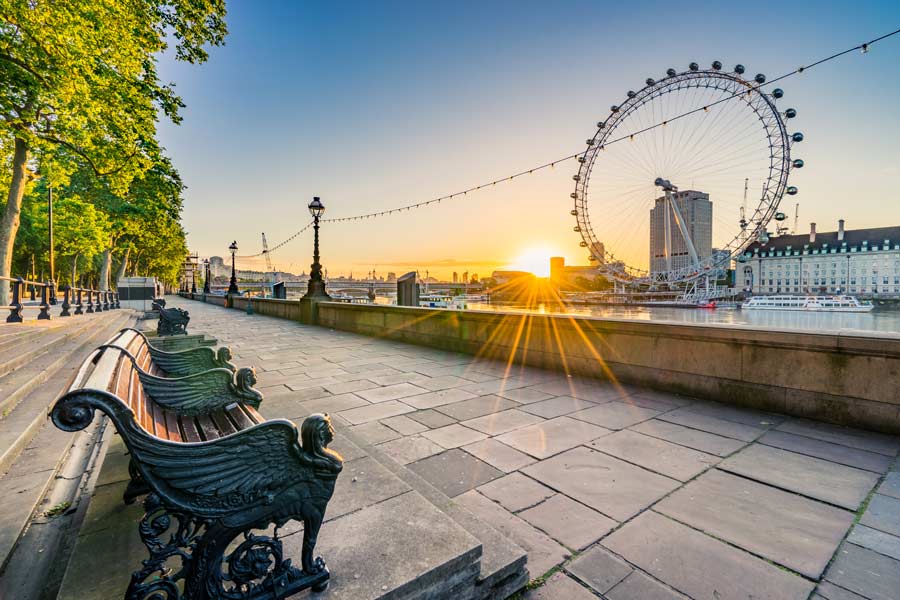
The London Eye
One of the city’s most recognizable landmarks, offering:
- Sweeping views over London
- A popular first‑time experience
Best enjoyed at sunset or early evening.
Tate Modern
A world‑class modern art museum housed in a former power station. Highlights include:
- Free permanent collections
- The Turbine Hall’s large‑scale installations
- Views from the upper levels
Cultural Venues
The South Bank is home to:
- The National Theatre
- Southbank Centre
- Concert halls and performance spaces
Even without tickets, the atmosphere is worth experiencing.
Where to Eat on the South Bank
Food options are varied and accessible. You’ll find:
- Casual riverside cafés
- Food markets and stalls
- Restaurants with landmark views
It’s convenient, if slightly pricier due to location.
South Bank Nightlife
Nightlife here is social and relaxed. Expect:
- Evening river walks
- Theatre performances
- Bars with skyline views
It’s lively without being club‑focused.
How Long Should You Spend on the South Bank?
Plan for half a day or a full day, depending on museum visits and walking pace. Many travelers return more than once, day and night.
Who the South Bank Is Best For
The South Bank is ideal if you’re:
- Visiting London for the first time
- Interested in culture and landmarks
- Traveling with friends or family
- Wanting walkable sightseeing
If you only pick one area to wander, this is a strong choice.
NX London Hostel Highlight
NX London Hostel is a convenient and affordable base for exploring the South Bank.
- Budget‑friendly alternative to central hotels
- Easy access to Tube and rail lines
- Social atmosphere for travelers exploring the city
Guests often stay at NX London Hostel and visit the South Bank as a full sightseeing day.
How to Get to the South Bank from NX London Hostel
Getting from NX London Hostel to the South Bank is simple.
Option 1: Train or Tube (Most Direct)
- Head toward Waterloo, London Bridge, or Westminster stations
- Walk directly onto the South Bank
- Approximate travel time: 20–30 minutes
Option 2: Bus Route (Scenic)
- Direct bus routes toward central London
- Exit near Westminster or Waterloo
- Contactless and Oyster cards accepted
Frequently Asked Questions About the South Bank
Where is the South Bank located in London?
The South Bank runs along the south side of the River Thames, opposite Westminster and the City of London.
Is the South Bank safe for visitors?
Yes. It’s one of London’s busiest and most monitored tourist areas, especially during the day and evening.
Why is the South Bank so popular?
It combines major attractions, river views, and walkability in one continuous area.
Is the South Bank good for nightlife?
Yes, for theatre, evening walks, and drinks—but not traditional clubbing.
Can you visit the South Bank on a budget?
Absolutely. Walking the river, street performances, and major museums like Tate Modern are free.
Key Takeaways
- The South Bank is London’s cultural spine
- Unmatched river walks and skyline views
- Packed with landmarks and free attractions
- Ideal for both first‑time and repeat visitors
Final Thought
The South Bank doesn’t hide London—it puts it on full display. Walk the river, watch the city move, and you’ll understand why this stretch of Thames defines so many first impressions of London.
Stay Nearby
Planning to visit London?
- Book Direct at NX London Hostel
- View Hostel Accommodations
- Explore Private Rooms
- View Shared Dorms
- Explore Group Accommodations
- See Our Greenwich Guide
- See Our Camden Town Guide
- See Our Shoreditch Guide
- See Our Soho Guide
- See Our Kings Cross Guide
- See Our Notting Hill Guide
- See Our South Bank Guide
- View Our London Transportation Guide