Oyster Card vs Contactless: What’s Best for Getting Around London?
One of the smartest things London ever did was make transport payments almost invisible. No confusing ticket machines, no planning fares in advance—just tap in, ride, and tap out.
But that simplicity creates one common question for visitors: Should you use an Oyster Card or contactless payment?
The answer depends on how long you’re staying, what cards you have, and how you plan to travel. This guide breaks it all down so you can choose confidently—and avoid paying more than you need to.
Oyster Card vs Contactless at a Glance
Both Oyster Cards and contactless payments let you:
- Use the Tube, buses, DLR, Overground, trams, and most trains
- Benefit from daily and weekly fare caps
- Skip paper tickets entirely
The difference lies in ownership, flexibility, and edge‑case benefits.
Is Oyster or Contactless Better for Visitors?
For most visitors, contactless is the best option. It’s faster, requires no setup, and offers the same fare caps as Oyster.
However, Oyster cards still make sense in specific situations—and sometimes save money or hassle.
There is no “wrong” choice. The key is choosing the one that fits your trip style.

What Is an Oyster Card?
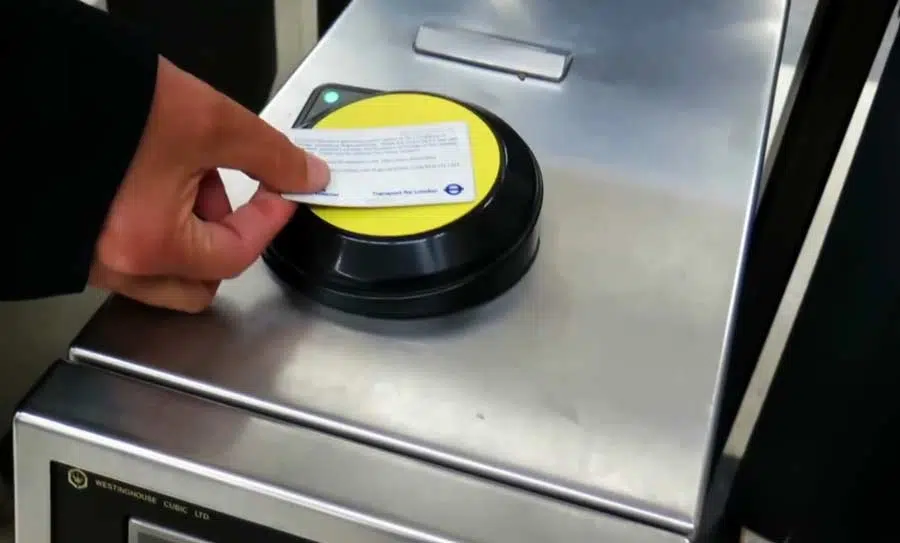
An Oyster Card is a reloadable smart card issued by Transport for London. You load it with credit or travel passes and tap it at gates and readers across the transport network.
Key Points
- Requires a small refundable deposit
- Can be topped up at stations, shops, or online
- Can be shared between trips (one person at a time)
- Does not expose your bank card details
Oyster was the standard for years—and it still works beautifully.
What Does “Contactless” Mean in London?
Contactless payment means using:
- A debit or credit card
- Apple Pay, Google Pay, or similar mobile wallets
You simply tap your card or phone at the gate.
Key Points
- No card to buy or manage
- Same fare caps as Oyster
- Charges appear on your bank statement
- One device or card per person
For short visits, it’s usually the simplest option.
Cost Comparison: Oyster vs Contactless
Daily and Weekly Caps
Both systems:
- Cap daily spending automatically
- Prevent you from overpaying
- Charge identical fares for the same journeys
There is no price advantage to Oyster for typical sightseeing journeys.
When Oyster Can Be Cheaper
Oyster may offer benefits if:
- You qualify for railcards or discounts
- You prefer to pre‑load a fixed budget
- Your bank charges foreign transaction fees
Ease of Use Compared
Contactless Is Best If You:
- Are staying a short time
- Already use contactless payments at home
- Don’t want to queue or top up
- Are comfortable with tap‑and‑go spending
Oyster Is Best If You:
- Prefer budgeting in advance
- Want to avoid foreign card fees
- Are traveling with children
- Plan to apply discounts or weekly passes
Can You Mix Oyster and Contactless?
Yes—but not within the same journey.
Each trip must:
- Start and end with the same payment method
- Use the same card or device for tapping in and out
Switching mid‑trip can result in maximum fares being charged.
Common Mistakes Visitors Make
- Tapping in with one card and out with another
- Sharing a contactless card between people
- Forgetting to tap out
- Assuming Oyster is required for tourists
- Overthinking the decision
London’s system is forgiving—but consistency matters.
Oyster Card vs Contactless for Airport Travel
Both payment types work for:
- Heathrow
- Gatwick (on supported routes)
- Stansted
- Luton (with connecting transport)
If you already have contactless, you can land and ride immediately—no need to buy anything at the airport unless you want an Oyster card for peace of mind.
Security and Safety
Both methods are safe.
- Oyster protects your bank card entirely
- Contactless uses encrypted payment systems
- Stations have staff, CCTV, and clear signage
If you’re nervous about card security, Oyster offers psychological comfort—but practically, both are secure.
NX London Hostel Highlight
Staying at NX London Hostel makes either payment option easy.
- All nearby transport accepts Oyster and contactless
- No need to buy paper tickets
- Perfect for first‑time visitors learning the system
- Simple late‑night travel after sightseeing or nightlife
You can focus on exploring—not payment logistics.
Which One Should You Choose?
Choose Contactless If:
- You’re visiting for a few days
- You already use contactless payments
- You want the simplest option
Choose Oyster If:
- You want tighter budgeting control
- Your bank charges foreign transaction fees
- You’re staying longer or traveling with kids
Both are excellent. Neither will hold you back.
Frequently Asked Questions
Do Oyster and contactless cost the same?
Yes. Fares and caps are identical for standard travel.
Can tourists buy Oyster cards easily?
Yes. Oyster cards are sold at airports and stations across London.
Do I need an Oyster card to use the Tube?
No. Contactless works everywhere Oyster does.
Can I get a refund for an Oyster card?
Yes. Remaining balance and deposit can be refunded.
What’s the easiest option for most visitors?
Contactless payment.
Key Takeaways
- Contactless is simplest for most travelers
- Oyster still has niche advantages
- Fares and caps are identical
- Consistency matters more than choice
- NX London Hostel supports both seamlessly
Final Thought
London doesn’t ask you to master its transport system—it asks you to trust it. Whether you tap with an Oyster card or your phone, the result is the same: seamless travel, fewer decisions, and more time to experience the city. Choose the option that feels easiest, tap confidently, and let London carry you where you want to go.